What is it?
When a child has health or developmental concerns, families often want to know whether there is an underlying genetic cause.
Trio exome sequencing is a genetic test that compares a child’s DNA with the DNA of both biological parents to help identify variants that may explain the child’s condition. Testing the child and both parents together can make the result easier to interpret.
The aim of trio exome sequencing is to provide clearer answers where possible, support medical care, and help families understand what the result may mean for the child and for future family planning.
Who is it for?
Trio exome sequencing is usually requested by a specialist medical practitioner, such as a clinical geneticist, paediatrician, neurologist, or other relevant specialist.
Trio exome sequencing may be suitable for:
Children with health, developmental, or medical concerns where a genetic cause is suspected. It may be particularly useful when a child has features affecting more than one body system, or when the diagnosis is not clear from clinical assessment alone.
Children who have had previous testing that did not provide an answer. Trio exome sequencing may be considered when earlier tests, such as chromosome analysis, microarray, single gene testing, or gene panels, have not identified a cause.
What does it include?
Diagnostic Trio Exome Result
This is the main result. It focuses on variants that may explain the child’s condition, based on the clinical information provided by the requesting specialist.
As part of the same testing process, parents may also choose to receive additional genetic screening results for themselves. These optional screens are separate from the child’s diagnostic result.
(Optional) Expanded Carrier Screen for one or both parents
This checks for more than 1,400 genetic conditions that can affect a child's health.
(Optional) Personal Genetic Screen for one or both parents
This checks for more than 80 genetic conditions that may affect your own health and may also be passed onto your children.
Link to a list of the genes included in these tests
Important note: Spinal muscular atrophy (SMN1) and fragile X syndrome (FMR1) are not included in the optional expanded carrier screen offered with trio exome sequencing. These conditions can be screened separately in female individuals and may be eligible for a separate Medicare rebate.
How much does it cost?
For eligible patients, trio exome sequencing is funded by Medicare under MBS item 73359 when requested by an appropriate specialist medical practitioner.
For patients who are not eligible, the private fee is $2190 and includes:
Diagnostic trio exome sequencing
Optional Expanded Carrier Screen for one or both parents
Optional Personal Genetic Screen for one or both parents
There is no additional charge for the optional parental screens, whether under Medicare or private fee.
How do I get tested?
To proceed with trio exome sequencing, you will need:
A completed request form
To complete our online consent module for optional parental screening, if selected
This explains the purpose of the optional parental screen(s), what it can and cannot detect, and the types of results you may receive. We then confirm your understanding with a short quiz.
This step is essential. We will only perform testing once we know you’ve understood the information and provided your informed consent (unless you have been referred by a clinical genetics service).
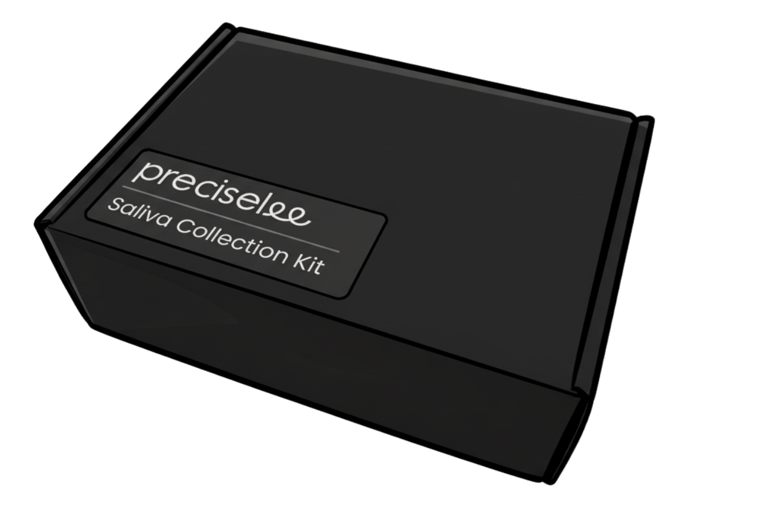
To provide saliva samples using our collection kit
After collecting sample from the child and both parents, send them to our laboratory using the prepaid mail bag provided.
How long does it take?
We will issue a report to your doctor within 8 weeks of receiving your family's samples in our laboratory.
Unless you choose to opt out and let us know, a copy of the report will be uploaded to your child's My Health Record. If you have opted for optional additional tests (expanded carrier screen/personal genetic screen), separate reports for these will be uploaded to the relevant parent's My Health Record.
What happens if something is found?
Your doctor will usually be the best person to discuss your results with you.
In some situations, additional professional genetic counselling may be appropriate. If your doctor provides a referral, we can arrange one complimentary telehealth appointment with a qualified genetic counsellor in the following situations:
Both partners have been tested through Preciselee and are found to be carriers of the same condition
A female individual is found to be a carrier of an X-linked condition
An individual is found to have a result on the Personal Genetic Screen that has implications for their own health
I have more questions
Our team is available to help you at contact@preciselee.co
Trio Exome